Source eco friendly baby nail trimmer for finger care, infant grooming, and toddler maintenance
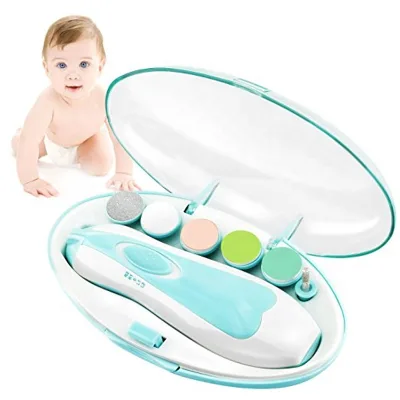
Compare 30 listings of eco friendly baby nail trimmer options designed for safe finger nail cutting on infants and toddlers. Buyers can evaluate materials like ABS and PP+Silicone, battery types, and customized branding features from verified manufacturers.
Key considerations
Products List
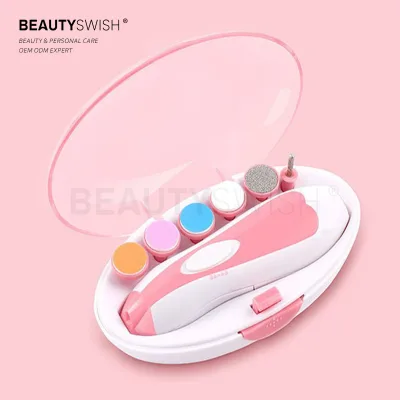
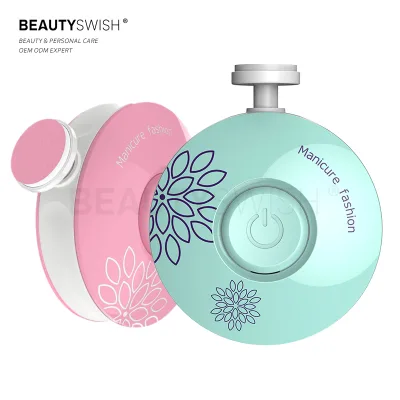
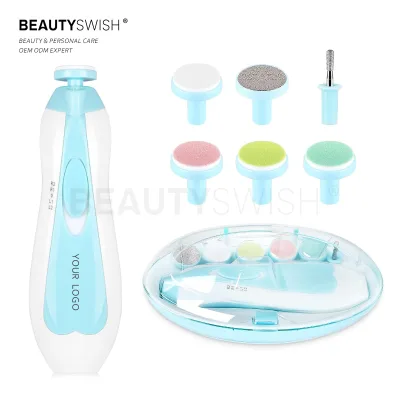
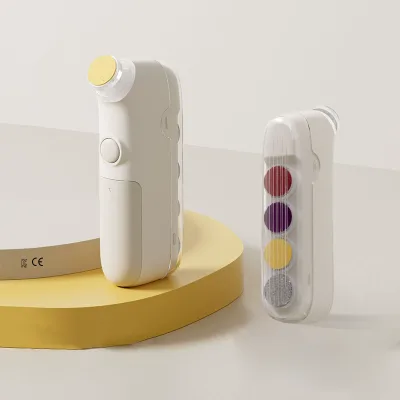
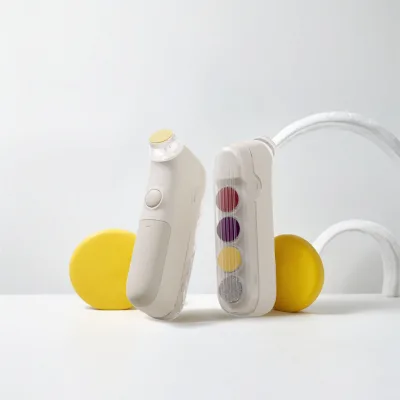
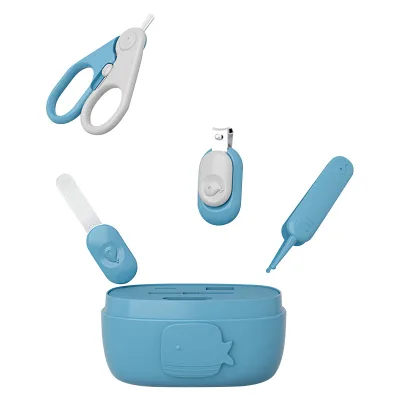
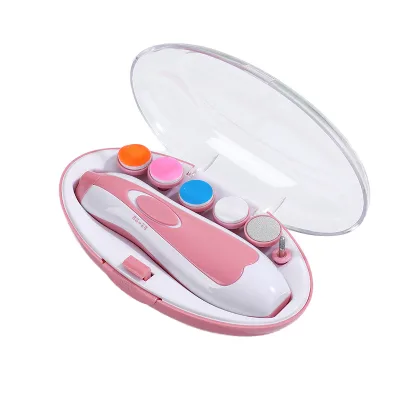
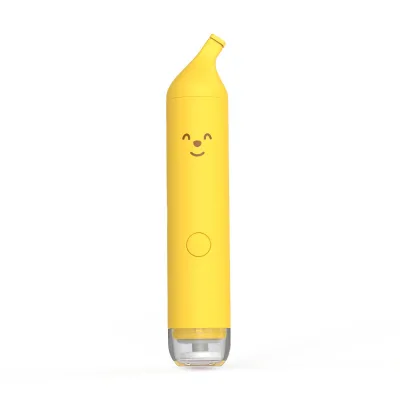
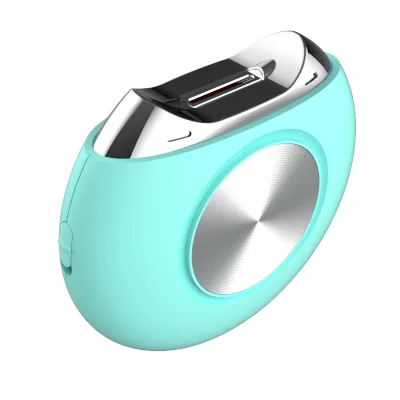
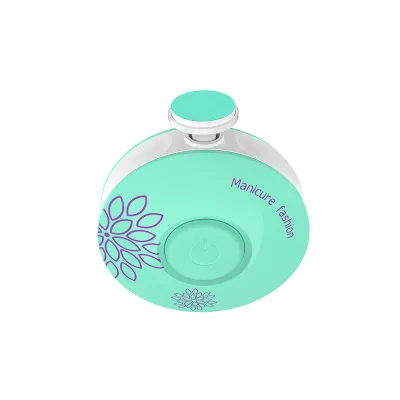
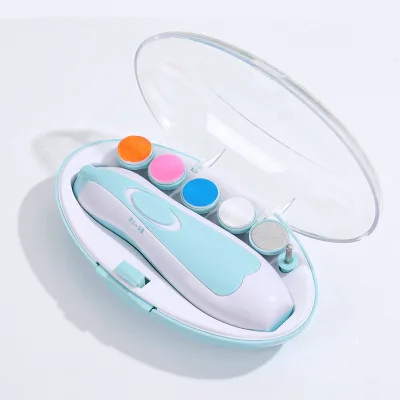
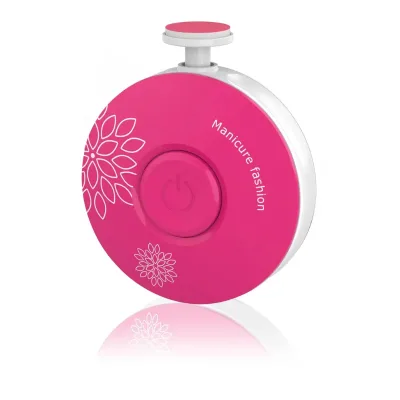


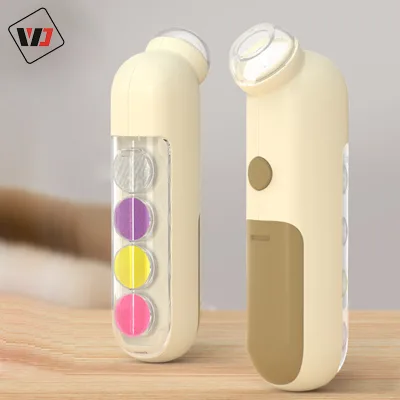
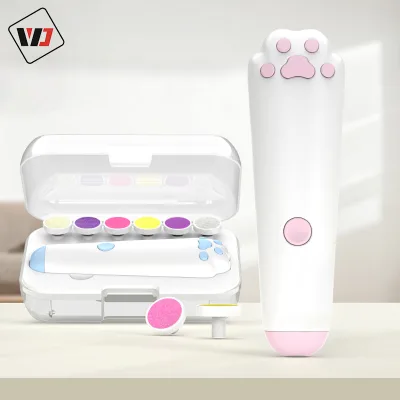
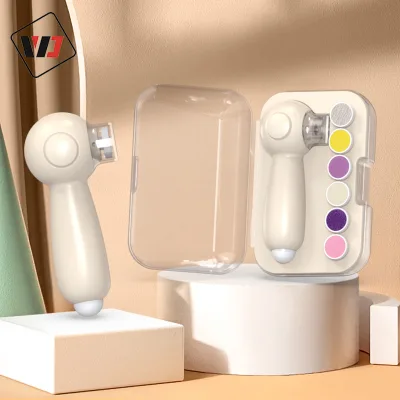
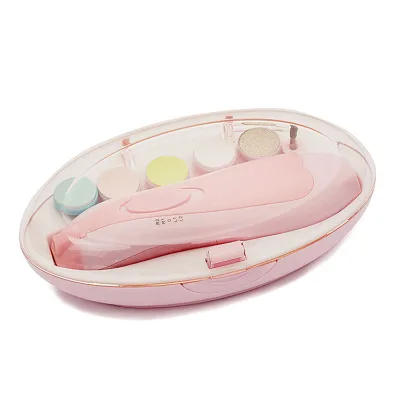


Comprehensive Sourcing Guide
Strategic Sourcing Guide for Eco-Friendly Baby Nail Trimmers
Understanding the Product Category and Market Landscape
Sourcing eco-friendly baby nail trimmers requires a nuanced understanding of a market that blends infant safety with sustainable manufacturing practices. The core keyword "eco friendly baby nail trimmer" points to a specific segment within the broader infant care equipment industry. In this sector, products are designed to address the delicate needs of infants and toddlers, typically ranging from 2 to 5 years of age, while minimizing environmental impact. The product landscape is diverse, encompassing electric nail trimmers, manual clippers, and manicure sets that utilize specific materials to ensure safety and sustainability.
Buyers must recognize that the term "eco-friendly" in this context often correlates with the materials used in construction, such as the use of specific polymers or the elimination of unnecessary packaging. The observed market data indicates a wide range of product attributes, from battery-operated devices requiring AA batteries to manual tools made from stainless steel and silicone. The application is consistently focused on multifunctional baby nail trimming, finger nail cutting, and general baby nail care. Understanding these distinctions is vital before engaging with suppliers, as the definition of "eco-friendly" can vary significantly between a plastic-heavy electric device and a stainless steel manual set.
Technical Specifications and Material Composition
When evaluating potential suppliers, the technical specifications of the product serve as the primary filter for quality and sustainability. The material composition is the most critical factor in determining the eco-friendly status of a nail trimmer. Analysis of available product data reveals several distinct material profiles. Some units are constructed from ABS plastic, a durable thermoplastic often used in consumer goods, while others utilize a combination of PP (polypropylene) and silicone. A third category features a blend of TPE (thermoplastic elastomer), ABS, and stainless steel.
The choice of material directly influences the product's weight, durability, and environmental footprint. For instance, a product with a net weight of 0.175kg may differ significantly in material density from one weighing 0.1kg. Buyers should scrutinize the specific material claims. Stainless steel is frequently highlighted in the context of "custom stainless steel nail clipper" keywords, suggesting a preference for metal components that offer longevity and recyclability compared to purely plastic alternatives. The inclusion of silicone is also notable, as it provides a soft touch for the baby's skin, which is a crucial safety feature.
Dimensions and packaging sizes are equally important for logistics and waste reduction. Observed specifications show a single package size ranging from compact dimensions like 13x8.5x3 cm to larger configurations such as 65x39x41 cm. The physical size of the product itself, such as 15.5x5.2x8.2 cm or 16x10x3.3 cm, impacts the shipping volume. A smaller, more compact design often correlates with reduced material usage in packaging, which is a key component of an eco-friendly strategy. Buyers must verify that the "Single package size" aligns with their logistical constraints to minimize carbon emissions during transport.
Compliance, Certification, and Safety Standards
Safety is non-negotiable when sourcing products for infants. While the term "eco-friendly" suggests environmental responsibility, the primary concern for baby nail trimmers is physical safety. Buyers must verify compliance with relevant safety standards, although specific certification status should not be assumed without documentation. In the context of electrical appliances, such as electric nail trimmers, standards like EN 60335 are often referenced. This standard pertains to the safety of household and similar electrical appliances, ensuring that devices powered by AA batteries or other sources do not pose electrical hazards.
For non-electric tools, the focus shifts to mechanical safety and material toxicity. The presence of "High-quality" as a product attribute suggests a baseline expectation, but buyers should demand specific test results regarding the sharpness of the blades and the stability of the device. The keyword "Custom Stainless Steel Nail Clipper" implies a need for high-grade metal that resists corrosion and maintains a sharp edge without requiring excessive force, which could lead to injury.
Certifications such as CE are often mentioned in the background of such products, indicating conformity with health, safety, and environmental protection standards for products sold within the European Economic Area. However, buyers must treat these as verification points rather than guaranteed attributes. The procurement process should include a request for valid certification documents from the supplier. Additionally, the "Place of Origin" plays a role in regulatory compliance. Products originating from Guangdong or Zhejiang, China, are common in this sector, and buyers should ensure that the manufacturing facilities adhere to the international standards required for their target markets.
Cost Drivers and Pricing Dynamics
The pricing of eco-friendly baby nail trimmers is influenced by a complex interplay of materials, manufacturing complexity, and customization options. The observed price range in the market spans from $0.32 to $7.70 USD, reflecting the vast difference between basic manual tools and more sophisticated electric devices. This wide variance indicates that cost is not solely a function of the "eco-friendly" label but is heavily driven by the inclusion of electronic components, the quality of the stainless steel, and the complexity of the design.
Several factors drive the cost upwards. First, the use of premium materials like high-grade stainless steel and food-grade silicone typically incurs higher raw material costs compared to standard ABS plastic. Second, the inclusion of electronic features, such as a motor powered by AA batteries, adds to the manufacturing and assembly costs. Third, customization options, such as "Accept Customized Logo" or "OEM/ODM" services, introduce additional expenses for tooling and branding.
The Minimum Order Quantity (MOQ) is another significant cost driver. The observed MOQ range of 1 to 3000 units suggests that buyers can access samples or small batches, but larger orders may be required to achieve the lower end of the price spectrum. Buyers should calculate the total landed cost, including shipping and tariffs, rather than focusing solely on the unit price. A lower unit price might be offset by higher shipping costs if the product has a large single package size or high gross weight.
Supplier Evaluation and Sourcing Strategy
Selecting the right supplier is critical for ensuring that the "eco-friendly" claims are genuine and that the product meets quality standards. The supplier evaluation process should begin with a thorough review of the supplier's capabilities regarding material sourcing and manufacturing processes. Buyers should look for suppliers who explicitly state their commitment to sustainable practices, such as using eco-friendly materials or reducing waste in production.
The "Brand Name" and "LOGO" attributes provide insight into the supplier's flexibility. Some suppliers offer established brands like "Beauty Swish" or "Doit & Baby," while others offer "CUSTOMIZED" branding options. For buyers seeking to build a unique brand identity, suppliers that accept customized logos and offer OEM/ODM services are preferable. However, buyers must verify the supplier's ability to maintain quality consistency during the customization process.
Geographic location is another factor in supplier selection. The data indicates that products originate from major manufacturing hubs in China, specifically Guangdong and Zhejiang. These regions have well-established supply chains for plastics, metals, and electronics. Buyers should assess the logistical advantages of sourcing from these locations, considering lead times and shipping reliability. The "Sample Available" attribute is a crucial indicator of a supplier's confidence in their product and their willingness to engage in a trial phase before committing to a large order.
Quality Control and Performance Verification
Implementing a robust quality control (QC) protocol is essential to mitigate risks associated with sourcing baby care products. Given the sensitive nature of the product, QC should focus on material safety, mechanical performance, and packaging integrity. Buyers should establish clear acceptance criteria based on the observed specifications, such as the net weight, single gross weight, and dimensions.
For electric models, testing should include battery life, motor noise levels, and the safety of the cutting mechanism. The "Portable" feature is a key selling point, and QC checks should verify that the device remains compact and functional after repeated use. For manual tools, the focus should be on the sharpness of the stainless steel blades and the durability of the TPE or silicone components. The "Usage" specification, which often targets children aged 2-5 years old, necessitates rigorous testing to ensure the tool is safe for this demographic.
Packaging quality is also a vital aspect of QC, particularly for eco-friendly products. The packaging should be minimal yet protective, aligning with the "Eco-freindly" (Eco-friendly) feature observed in some product listings. Buyers should inspect the "Single package size" to ensure it matches the supplier's claims and that the packaging materials are recyclable or biodegradable where possible. Regular third-party inspections or on-site audits can provide additional assurance that the supplier maintains consistent quality standards.
Long-Term Procurement and Sustainability Considerations
Sourcing eco-friendly baby nail trimmers is not just a one-time transaction but a long-term strategy that requires ongoing management. Buyers should consider the lifecycle of the product, from manufacturing to disposal. The use of durable materials like stainless steel and high-quality plastics ensures that the product has a long lifespan, reducing the frequency of replacement and the associated environmental impact.
Sustainability also extends to the supply chain. Buyers should encourage suppliers to adopt transparent reporting on their environmental practices, such as energy consumption in manufacturing and waste management protocols. The ability to customize the product with a "Printing Logo" or "Customized Logo" allows buyers to reinforce their own brand's commitment to sustainability in the marketplace.
Furthermore, buyers should plan for scalability. The wide range of MOQs suggests that suppliers can accommodate growth, but buyers must ensure that the quality remains consistent as order volumes increase. Establishing a long-term partnership with a reliable supplier can lead to better pricing, priority production slots, and collaborative efforts to innovate more sustainable product designs. By focusing on these long-term considerations, buyers can build a resilient supply chain that supports both business growth and environmental responsibility.
Comparative Analysis of Product Attributes
To facilitate decision-making, the following table summarizes key attributes observed in the market, highlighting the differences between various product types.
| Attribute Category | Electric Nail Trimmer | Manual Stainless Steel Clipper | Multifunctional Set |
|---|---|---|---|
| Primary Material | ABS, PP+Silicone | Stainless Steel, TPE+ABS | TPE+ABS+Stainless Steel |
| Power Source | AA Batteries | Manual | Manual |
| Typical Weight | 0.175kg - 0.200kg | 0.090kg - 0.110kg | 0.100kg - 0.175kg |
| Package Size | 15X10X5 cm to 20X9X2 cm | 13X8.5X3 cm | 65X39X41 cm (Large) |
| Key Feature | Portable, Electric | Eco-friendly, Custom Logo | Multifunctional, High-quality |
| Target Age | 2-5 years old | 2-5 years old | 2-5 years old |
| Customization | Logo Printing, OEM/ODM | Logo Printing, OEM/ODM | Logo Printing, OEM/ODM |
This comparison underscores the diversity in the market. Buyers must align their specific needs—whether prioritizing electric convenience, manual durability, or comprehensive functionality—with the technical specifications and material compositions of the available products. By carefully evaluating these factors, buyers can make informed decisions that balance cost, quality, and environmental impact.
FAQs
What materials are used for eco friendly baby nail trimmers?
These trimmers typically use ABS, PP, silicone, or stainless steel blends. Some models combine TPE with ABS and stainless steel for durability and safety, while others rely on plastic components like ABS for lightweight construction.
Can I find battery-operated electric nail trimmers for babies?
Yes, electric models are available and often require AA batteries for operation. These devices are designed for multifunctional baby nail trimming and usually feature portable designs suitable for finger use on infants.
Which brands offer customized logos on baby nail trimmers?
Brands like Beauty Swish and Doit & Baby are observed, but many suppliers accept customized logos. You can request printing logos or OEM services from manufacturers in Guangdong or Zhejiang to build your own brand identity.
What is the typical price range for these baby nail trimmers?
The market price ranges from 0.32 to 7.7 USD per unit depending on features. Basic manual tools cost less, while electric models with motors and specific materials like stainless steel command higher prices within this range.
How does the minimum order quantity affect sourcing decisions?
Minimum order quantities vary widely from 1 to 3000 units for different suppliers. Buyers can start with single item samples or small batches, but larger orders may be needed to access lower price points or specific customization options.
Are there specific size requirements for single package dimensions?
Package sizes vary significantly, ranging from 13x8.5x3 cm to 65x39x41 cm. Compact designs like 15x10x5 cm are common for portable units, while larger packaging may be used for sets or bulk shipping configurations.
What certifications should I look for in baby nail care products?
Safety standards like EN 60335 are relevant for electrical appliances, and CE marks are often referenced. While not guaranteed on every listing, buyers should verify compliance documents for household electrical appliance safety and material toxicity.
Can I source these trimmers from manufacturers in China?
Yes, products originate from major hubs like Guangdong and Zhejiang in China. These locations have established supply chains for plastics, metals, and electronics, offering various options for sourcing with different lead times and customization capabilities.